

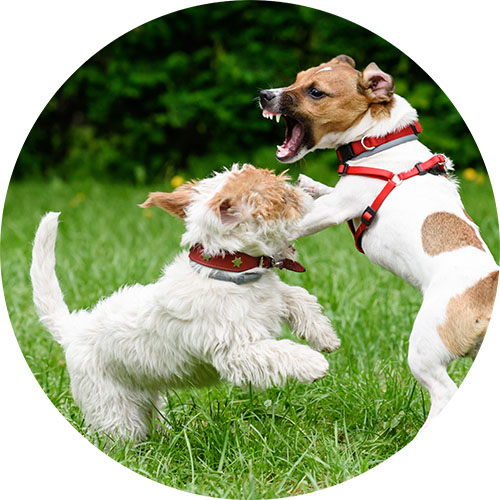
 phillyunleashed.com
 Embarking on a journey to train a dog exhibiting inter-dog aggression requires patience, consistency, and a deep understanding of canine behavior. This is not a quick fix, but a long-term commitment to modifying your dog's behavior and ensuring the safety of all dogs involved. This guide will walk you through the essential steps to address this complex issue.
Step 1: Assessment and Management Begin by identifying the triggers for your dog's aggression. Is it specific breeds, sizes, or genders of dogs? Does it occur on leash, off leash, or both? Understanding the triggers is crucial for effective management and training. Secure your dog with a properly fitted harness or head halter and a sturdy leash to maintain control. Avoid situations where your dog is likely to react aggressively. This might mean altering your walking routes or avoiding dog parks altogether. If necessary, consider using a muzzle in public to prevent biting and protect other dogs. Always consult with a veterinarian to rule out any underlying medical conditions that could be contributing to the aggression. Pain, discomfort, or hormonal imbalances can sometimes exacerbate behavioral issues.
Step 2: Desensitization and Counterconditioning Desensitization involves gradually exposing your dog to the triggers at a distance where they do not react aggressively. Start far enough away that your dog remains calm and relaxed. Counterconditioning involves pairing the presence of the trigger with something positive, such as high-value treats or praise. As your dog remains calm in the presence of the trigger, reward them generously. Gradually decrease the distance to the trigger as your dog's tolerance improves. This process requires patience and consistency. Never force your dog into a situation that overwhelms them, as this can worsen the aggression. Monitor your dog's body language closely for signs of stress, such as lip licking, yawning, whale eye (showing the whites of their eyes), or a stiff body posture. If you see these signs, increase the distance from the trigger and slow down the training process.
Step 3: Focus and Impulse Control Teach your dog basic obedience commands such as "sit," "stay," "down," and "leave it." These commands provide you with a way to redirect your dog's attention and control their impulses. Practice these commands in various environments and with increasing levels of distraction. Impulse control exercises, such as waiting for food or toys, can also help your dog learn to manage their impulses and make better decisions. Incorporate these exercises into your daily routine to reinforce good behavior.
Step 4: Professional Guidance Working with a certified professional dog trainer or a veterinary behaviorist is highly recommended. They can assess your dog's specific situation and develop a customized training plan tailored to their needs. A professional can also provide guidance on using behavior modification techniques, such as differential reinforcement of incompatible behavior (DRI), which involves rewarding your dog for behaviors that are incompatible with aggression. They can also identify any underlying anxiety or fear that may be contributing to the aggression and recommend appropriate interventions. Be wary of trainers who advocate for punishment-based methods, as these can often worsen aggression and damage your relationship with your dog.
Step 5: Ongoing Management and Maintenance Inter-dog aggression is often a lifelong challenge, requiring ongoing management and maintenance. Continue to practice desensitization and counterconditioning exercises regularly to maintain your dog's tolerance. Be vigilant about identifying and avoiding triggers. Continue to reinforce good behavior with positive reinforcement. Keep your dog's environment enriching and stimulating to prevent boredom and frustration, which can sometimes contribute to aggression. Remember that progress may be slow and setbacks are normal. Celebrate small victories and stay committed to your dog's training.
Training a dog with inter-dog aggression is a challenging but rewarding endeavor. By understanding the underlying causes of the aggression, implementing a structured training plan, and seeking professional guidance, you can help your dog learn to manage their behavior and live a safer, more fulfilling life. Remember to prioritize safety, be patient and consistent, and celebrate your dog's progress along the way. The safety of your dog and other dogs should always be the paramount concern.
A Guide To Handling Inter-dog Aggression: 6 Things You Should Know
 dogreal.com
 Pandemic Behavior Problems: Inter-dog Aggression
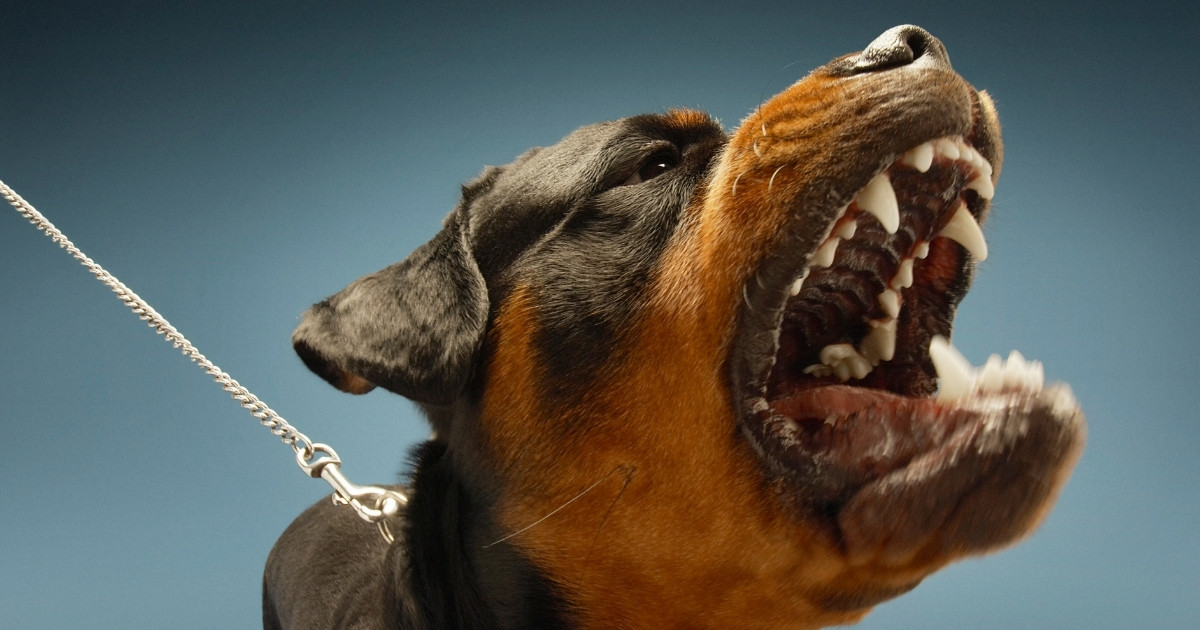 drandyroark.com
 Interdog Aggression
phillyunleashed.com

